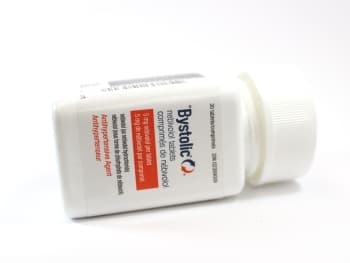
* The product images are for reference only. Generic equivalents may also be supplied by alternate manufacturers.
Ordering Bystolic (Nebivolol)
At CanadianPharmacyWorld, we provide quick and affordable access to your medication. With a valid prescription from a US-licensed physician, you can order this through our licensed pharmacy for direct-to-door delivery. We prioritize safety and significant savings on every order. Learn more about our standards on our
About Us page.
What is Bystolic?
This prescription medication is used to treat high blood pressure. Bystolic belongs to the group of medications called beta-blockers, which affect the heart and circulation. Nebivolol works by blocking the effects of certain natural substances in your body, such as epinephrine, on the heart and blood vessels, lowering heart rate and blood pressure, and reducing strain on the heart.
Brand-name Bystolic (also known as Nebilet) is manufactured by A. Menarini Farmaceutica Internazionale in the United Kingdom and by Allergan (formerly Forest Laboratories) in Canada. The generic version (also known as Nebicip is manufactured by Cipla in India.
Available Strengths and Sizes
Bystolic and its generic versions are available in tablet strengths of 2.5 mg, 5 mg, and 10 mg.
Adverse Reactions & Side Effects
Common Side Effects – If these persist or become a concern, please reach out to your healthcare provider:
• Dizziness
• Fatigue
• Headache
• Insomnia
• Nausea
• Paresthesia (a "pins and needles" sensation)
• Stomach pain
• Swelling of the legs or feet (peripheral edema)
Other Potential Side Effects (less common) - The following list includes side effects that are reported less frequently by individuals:
• Abdominal cramps
• Constipation
• Diarrhea
• Dyspnea (shortness of breath)
• Erectile dysfunction
• Rash
• Slow heart rate (bradycardia)
• Vivid dreams or nightmares
Serious Side Effects – These reactions are rare but require immediate medical attention. Stop using the medication and call your doctor or emergency services if you experience:
• Bronchospasm
• Cardiovascular Complications
• Conduction Abnormalities
• Hypersensitivity Reactions
• Raynaud's Phenomenon
Contraindications
Do NOT take this medication if any of the following conditions exist:
• Bradycardia: a heart rate that is abnormally slow (typically less than 60 beats per minute) before starting treatment.
• Cardiogenic Shock: a serious condition where your heart suddenly cannot pump enough blood to meet your body's needs
• Decompensated Heart Failure: sudden, severe heart failure requiring intravenous medication or hospitalization.
• Hypersensitivity: A known allergy or hypersensitivity to nebivolol or any of the inactive ingredients in the tablet.
• Second or Third-Degree Heart Block: A serious heart rhythm disorder (unless a permanent pacemaker is in place).
• Severe Hepatic Impairment: severe liver disease, as the body cannot properly metabolize the medication.
• Sick Sinus Syndrome: A specific type of heart rhythm disorder caused by a malfunctioning natural pacemaker in the heart (unless a pacemaker is in place).
Precautions and Warnings
The following conditions warrant a detailed discussion with a healthcare provider before starting this medication, as they may need to be adjusted or avoided to ensure patient safety:
• Anesthesia and Major Surgery: General anesthesia, as beta-blockers can affect the heart's ability to respond to reflex stimuli during surgery.
• Asthma or COPD: Bronchospastic diseases, as beta-blockers can potentially cause narrowing of the airways.
• Diabetes Mellitus: Nebivolol may mask certain symptoms of low blood sugar (hypoglycemia), such as a rapid or pounding heartbeat. However, other signs, such as dizziness or sweating, may still occur. Patients with diabetes should monitor their blood glucose levels closely.
• Peripheral Vascular Disease: Caution is advised for patients with Raynaud's phenomenon or peripheral vascular disease, as beta-blockers may worsen symptoms of arterial insufficiency by narrowing blood vessels in the extremities.
• Pheochromocytoma: A rare tumor of the adrenal gland; an alpha-blocker must be administered before a beta-blocker is started.
• Thyroid Disease: Hyperthyroidism, as the medication may mask symptoms of a thyroid storm, such as tachycardia.
Drug Interactions
Understanding how Bystolic interacts with other substances is crucial for safe and effective treatment. The following medications may need close monitoring or dosage adjustments when taken together.
• Anti-Arrhythmics: Medications used to treat heart rhythm disorders—such as amiodarone, digoxin, disopyramide, or propafenone—may have an additive effect when taken with nebivolol. This combination can cause a dangerously slow heart rate (bradycardia) or disrupt the heart's electrical conduction.
• Calcium Channel Blockers: Non-dihydropyridine calcium channel blockers, specifically diltiazem and verapamil, should be used with extreme caution. These drugs also lower heart rate and reduce cardiac contractility, and their combined use with nebivolol increases the risk of severe hypotension or heart block.
• CYP2D6 Inhibitors: Because nebivolol is metabolized by CYP2D6, potent inhibitors of this enzyme can significantly increase its blood concentration. Examples include antidepressants such as fluoxetine and paroxetine, as well as the antiarrhythmic quinidine. Higher nebivolol levels increase the likelihood of side effects.
• Insulin and Oral Antidiabetics: Nebivolol may mask early warning signs of low blood sugar (hypoglycemia), such as a rapid or pounding heartbeat (tachycardia). Patients with diabetes should monitor their blood glucose closely when starting or adjusting this medication.
Other Notable Interactions• Anesthetic Agents: Some inhaled anesthetics used during surgery can depress myocardial function. If you are scheduled for surgery, it is vital to inform your surgical team that you are taking a beta-blocker.
• Antihypertensives: Other blood pressure medications, such as clonidine or reserpine, may have an additive effect. If clonidine is discontinued while taking nebivolol, it must be tapered slowly under medical supervision to prevent rebound hypertension.
• Nonsteroidal Anti-inflammatory Drugs (NSAIDs): Medications such as ibuprofen or naproxen may reduce the blood-pressure-lowering effects of beta-blockers by promoting fluid retention and interfering with prostaglandin synthesis.
Safety & Storage Information
Bystolic should be stored at room temperature, away from light and moisture, and out of reach of pets and children. This medication should not be stored in the bathroom.
Blog Post
Impact of Winter on Blood Pressure: Unraveling the ConnectionsThe content on this page has been supplied to canadianpharmacyworld.com by an independent third party contracted to provide information for our website. Canadianpharmacyworld.com relies on these third parties to create and maintain this information and cannot guarantee the accuracy or reliability of the information that has been provided to us.
The drug information provided here is only a summary and does not contain all the list of possible side effects and drug interactions regarding this medication. Be sure to contact your doctor or pharmacist if you have any specific question or concern. If you require any advice or information about the drugs on this page, a medical condition or treatment advice, you should always speak to a healthcare professional.
Please note that not all products, including any referenced in this page, are shipped by our affiliated Canadian Pharmacy. We are affiliated with other dispensaries that ship product to our customers from the following jurisdictions: Canada, Singapore, New Zealand, Turkey, Mauritius, India, and United Kingdom. The items in your order maybe shipped from any of the above jurisdictions. The products are sourced from various countries as well as those listed above. Rest assured, we only affiliate with our authorized dispensaries that procure product through reliable sources.