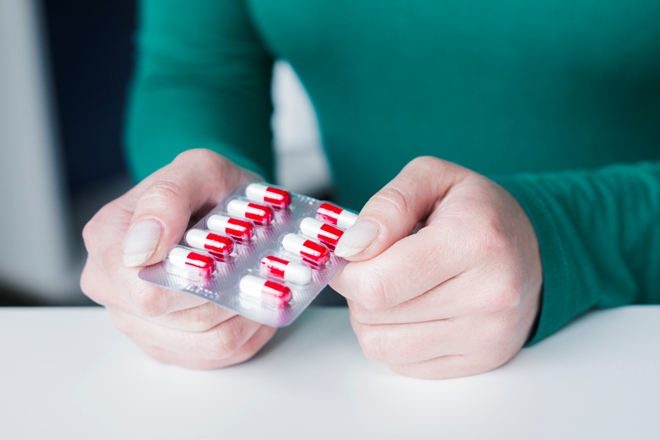
Photo Credit: by freepik, magnific.com
Blood thinners save lives, but they also raise a serious question for many patients: Which blood thinner is safest? For people comparing apixaban (Eliquis) and rivaroxaban (Xarelto), the answer matters because both medications help prevent dangerous blood clots, but both can also increase the risk of bleeding.
In 2026, apixaban (Eliquis) and (Xarelto) remain two of the most commonly prescribed direct oral anticoagulants (DOACs). These medications are used to lower the risk of stroke in people with certain types of atrial fibrillation, treat or prevent deep vein thrombosis (DVT), treat or prevent pulmonary embolism (PE), and prevent clots after some surgeries. According to the U.S. prescribing information, both medications work by blocking factor Xa, an important part of the blood-clotting process.
So, is apixaban (Eliquis) safer than rivaroxaban (Xarelto)? For many patients, especially those at higher risk of bleeding, research increasingly suggests that apixaban may have a safety advantage. However, that does not mean apixaban is the best choice for everyone. Rivaroxaban may still be appropriate depending on the diagnosis, dosing schedule, kidney function, liver function, insurance coverage, other medications, and patient preference. The safest blood thinner is not just the one that looks best in a study. It is the one that fits your individual medical risk and preference. Read on for all the details.
What Are Apixaban (Eliquis) and Rivaroxaban (Xarelto)?
Apixaban and rivaroxaban are prescription anticoagulants, commonly called blood thinners. Technically, they do not “thin” the blood. Instead, they reduce the blood’s ability to form clots.
The Mayo Clinic explains that apixaban and rivaroxaban are both factor Xa inhibitor medications. Factor Xa is a protein involved in the clotting cascade. By blocking factor Xa, these medications help prevent harmful clots from forming or growing.
According to the Mayo Clinic, doctors may prescribe Eliquis or Xarelto for conditions such as:
• Reducing stroke risk in people with nonvalvular atrial fibrillation
• Treating deep vein thrombosis
• Treating pulmonary embolism
• Reducing the risk of recurrent deep vein thrombosis or pulmonary embolism
• Preventing clots after hip or knee replacement surgery
Apixaban (Eliquis) vs. Rivaroxaban (Xarelto): Which Is Safer?
The biggest safety concern with any blood thinner is bleeding. Minor bleeding may include easy bruising, mild gum bleeding, or occasional nosebleeds. Serious bleeding may include internal bleeding, gastrointestinal bleeding, bleeding in the brain, or bleeding that does not stop.
When comparing anticoagulants, the safety conversation often focuses on the more major types of bleeding. In a 2024 comparative study of patients with atrial fibrillation, apixaban was associated with lower major bleeding rates than rivaroxaban, both at standard and reduced doses.
A 2025 study in the Journal of the American College of Cardiology: Advances also found that bleeding was highest with rivaroxaban and lowest with apixaban. However, the same study noted that some thrombosis outcomes were higher with apixaban than warfarin, which is why these decisions are more complex than only considering one risk.
The bottom line is that apixaban (Eliquis) often appears to have a lower bleeding risk than rivaroxaban (Xarelto) in comparative research, but the right choice is still individual.
Why Many Doctors Prefer Apixaban (Eliquis) Over Traditional Blood Thinners
Many doctors prefer DOACs like apixaban (Eliquis) over older medications like warfarin for eligible patients because they are easier to manage and have more predictable effects. Warfarin requires regular blood tests to make sure the dose is in the correct range to reduce the risk of clots and bleeding.
Eliquis does not require regular mandatory blood monitoring. The Eliquis prescribing information notes that apixaban affects clotting tests, but these tests are not recommended for monitoring the anticoagulation effect of Eliquis. This is one of the major practical differences between Eliquis and warfarin.
Also, Eliquis does not have the same concern regarding vitamin K making the medication less effective, like warfarin. This means Eliquis doesn’t require dietary changes or monitoring. That is a major lifestyle advantage for many people.
Apixaban (Eliquis) vs. Rivaroxaban (Xarelto): Key Differences Patients Should Know
These medications are similar in many ways, but they are not identical.
• Apixaban (Eliquis) is usually taken twice daily for many indications. It has been associated with lower major bleeding rates than Xarelto in several comparative studies. This may make it a preferred option for some older adults or people with higher bleeding risk.
• Rivaroxaban (Xarelto) is often taken once daily for certain conditions, which can be simpler for some patients.
However, once-daily dosing does not automatically mean better treatment. Missing a once-daily blood thinner can be risky because you may go longer without anticoagulant coverage.
The best choice depends on your condition, kidney function, bleeding history, clotting history, ability to follow the dosing schedule, and medication cost. Make sure to ask your doctor any questions you may have before making your choice.
The Blueprint for Switching to Apixaban (Eliquis) Safely
The prescribing information for oral anticoagulants carries warnings that premature discontinuation increases the risk of thrombotic events. In plain language, stopping a blood thinner too soon can raise the risk of a dangerous clot or stroke. So, always talk to your prescribing physician about a switch before you do it.
Here are seven questions to ask your doctor or pharmacist about a switch:
1. Why am I switching? – The reason matters. Are you switching because of bleeding risk, side effects, cost, convenience, kidney function, drug interactions, insurance coverage or something else?
2. When should I take the last dose of my current blood thinner? – The timing depends on whether you are switching from warfarin, Xarelto, heparin, or another anticoagulant.
3. When should I take my first dose of Eliquis? – Too much overlap may increase bleeding risk. Too long a gap may increase the risk of a clot. You want something that is just right.
4. Do I need bloodwork? – Your doctor may want to check kidney function, liver function, hemoglobin, platelet count, or blood clotting before switching.
5. What dose of Eliquis is right for me? – Eliquis dosing depends on the condition being treated and patient-specific factors. Never assume someone else’s dose is right for you.
6. What should I do if I miss a dose? – You should know exactly what to do if a dose is missed to avoid an elevated risk of stroke.
7. Should I stop taking aspirin, ibuprofen, naproxen, or other supplements? – Other medications and supplements can increase bleeding risk or change how Eliquis works, so make sure you ask about anything else you take.
Managing Apixaban (Eliquis) Side Effects: What Is Normal?
Because apixaban (Eliquis) reduces blood clotting, some bleeding-related side effects can happen. Not all of them are emergencies, however. For example, being somewhat easier to bruise, or minor nose or gum bleeding, are likely not emergencies. You should still always report new, worsening, frequent, or unexplained bleeding or bruising to a healthcare provider, though. Just because it’s not an emergency doesn’t mean you should ignore it.
While most people will never experience them, you should be aware of the side effects that may signal serious bleeding and require urgent medical attention.
According to MedlinePlus, seek emergency help right away for:
• More severe bleeding gums or nosebleeds
• Heavy vaginal bleeding
• Red, pink, or brown urine (indicating blood in urine)
• Red or black, tarry stools (indicating blood in stool)
• Coughing up or vomiting blood or material that looks like coffee grounds
• Swelling or joint pain
• Headache
• Vomiting
• Rash
• Chest pain or tightness
• Swelling of the face or tongue
• Trouble breathing, wheezing
• Feeling dizzy or faint
Patients should also tell every doctor, dentist, surgeon, pharmacist, and emergency provider that they take apixaban. This is especially important before surgery, dental work, injections, spinal procedures, or new prescriptions.
Foods to Avoid on Apixaban (Eliquis): What Matters and What Does Not
One of the biggest advantages of apixaban (Eliquis) over warfarin is that Eliquis does not have vitamin K restrictions. People taking Eliquis generally do not need to avoid leafy greens because of vitamin K.
This is different from warfarin. The Mayo Clinic explains that people taking warfarin should keep vitamin K intake consistent, rather than suddenly increasing or decreasing vitamin K-rich foods.
However, those taking Eliquis should still be cautious with alcohol, over-the-counter medications, and supplements that may increase bleeding risk or affect Eliquis levels.
Supplements to Avoid or Use Cautiously on Apixaban (Eliquis)
Supplements can be risky with blood thinners. Some can increase bleeding risk. Others may reduce apixaban (Eliquis) levels and make it less effective.
St. John’s Wort is one of the most important supplements to avoid unless a prescriber specifically approves it. The Eliquis prescribing information states that combined P-gp and strong CYP3A4 inducers, like St. John’s Wort, may reduce apixaban exposure and that concomitant use should generally be avoided.
Turmeric, curcumin, or garlic supplements may also be concerning, especially at high doses. (Turmeric or garlic in food is not the same as concentrated supplements.) Ginkgo biloba, melatonin, and peppermint oil may also interact. Those on apixaban should ask a pharmacist or doctor before using these supplements.
The safest rule is simple: before starting any supplement, ask a pharmacist or prescriber.
Apixaban (Eliquis) vs. Rivaroxaban (Xarelto) Cost: Why Price Can Drive the Decision
Apixaban (Eliquis) and rivaroxaban (Xarelto) can both be expensive, especially if you’re uninsured or underinsured. Even with insurance, the cost can vary based on the plan, deductible, formulary tier, copay, prior authorization rules, and whether the pharmacy is in-network.
The good news is that the Food and Drug Administration (FDA) approved the first generic versions of apixaban in 2019. Generic apixaban is available in 2.5 mg and 5 mg strengths.
The FDA has also approved a generic version of rivaroxaban. Generic rivaroxaban is available in 2.5 mg, 10 mg, 15 mg, and 20 mg strengths.
The True Cost of Eliquis or Xarelto: Brand vs. Generic Apixaban
If you’re trying to lower the cost of Eliquis or Xarelto, ask whether:
• Your insurance plan covers each medication
• Your plan prefers a specific anticoagulant
• Prior authorization is required
• A manufacturer savings card applies
• You qualify for a patient assistance program
• A generic is available through your pharmacy
• A 90-day supply lowers the monthly cost
• A licensed mail-order pharmacy, like Canadian Pharmacy World, offers a lower price
Apixaban (Eliquis) vs. Rivaroxaban (Xarelto): Which Blood Thinner Is Safer in 2026?
For many patients, the evidence in 2026 favors apixaban (Eliquis) when the main question is bleeding safety. Apixaban has been associated with lower major bleeding rates than rivaroxaban (Xarelto) in multiple comparative studies, and it offers major advantages over warfarin for eligible patients, including no routine mandatory blood tests and no strict vitamin K restrictions.
However, apixaban is not automatically right for everyone. Rivaroxaban remains an effective blood thinner. Additionally, Warfarin still has an important role for patients in specific situations where DOACs may not be appropriate.
The most critical point is this: never stop, start, or switch blood thinners without a medical plan. Stopping suddenly can raise the risk of stroke or dangerous clots, while switching incorrectly can raise the risk of bleeding.
If you are taking an anticoagulant and wondering whether a different one is safer or less expensive for you, talk to your doctor or pharmacist. Ask about your personal bleeding risk, clotting risk, kidney function, drug interactions, dosing schedule, and cost options. The safest blood thinner is the one that protects you from clots while minimizing bleeding risk in your specific situation.
Sources
1. Bristol-Myers Squibb. (2025). Highlights of Prescribing Information. In Bristol-Myers Squibb Company. Retrieved May 28, 2026, from https://packageinserts.bms.com/pi/pi_eliquis.pdf
2. Cleveland Clinic. (2024, March 19). What to avoid when taking a blood thinner. Retrieved May 29, 2026, from https://health.clevelandclinic.org/what-to-avoid-when-taking-blood-thinners
3. Janssen Pharmaceuticals, Inc. (2021). Highlights of Prescribing Information. In U.S. Food And Drug Administration. Retrieved May 28, 2026, from https://www.accessdata.fda.gov/drugsatfda_docs/label/2025/022406s044,215859s005lbl.pdf
4. Mayo Clinic. (2026, June 1). Warfarin (oral route). Retrieved June 2, 2026, from https://www.mayoclinic.org/drugs-supplements/warfarin-oral-route/description/drg-20070945
5. MedlinePlus. (2025, October 15). Apixaban. Retrieved May 29, 2026, from https://medlineplus.gov/druginfo/meds/a613032.html
6. Merative, Micromedex. (2026, April 30). Apixaban (oral route). Mayo Clinic. Retrieved May 28, 2026, from https://www.mayoclinic.org/drugs-supplements/apixaban-oral-route/description/drg-20060729
7. Merative, Micromedex. (2026, April 30). Rivaroxaban (oral route). Mayo Clinic. Retrieved May 28, 2026, from https://www.mayoclinic.org/drugs-supplements/rivaroxaban-oral-route/description/drg-20075013
8. National Library of Medicine. (n.d.). Blood thinners. Anticoagulants | MedlinePlus. Retrieved May 28, 2026, from https://medlineplus.gov/bloodthinners.html
9. Schaefer, J. K., Errickson, J., Kong, X. et al. (2025). A comparison of outcomes with apixaban, rivaroxaban, and Warfarin for atrial fibrillation and/or venous thromboembolism. JACC Advances, 4(5), 101714. https://doi.org/10.1016/j.jacadv.2025.101714
10. Shurrab, M., Austin, P., Jackevicius, C. et al. (2024, August 21). Apixaban vs rivaroxaban in patients with atrial fibrillation at high or low bleeding risk: A population-based cohort study. PubMed Central. Retrieved May 28, 2026, from https://pmc.ncbi.nlm.nih.gov/articles/PMC12184086/
11. Thrombosis Canada. (n.d.). Patient Information Sheet. In Thrombosis Canada. Retrieved May 29, 2026, from https://thrombosiscanada.ca/wp-uploads/uploads/2016/03/Apixaban_v2.pdf
12. Warfarin diet: What foods should I avoid? (2024, June 4). Mayo Clinic. Retrieved May 28, 2026, from https://www.mayoclinic.org/diseases-conditions/thrombophlebitis/expert-answers/warfarin/faq-20058443
###
Your email address will not be published. Required fields are marked with *.