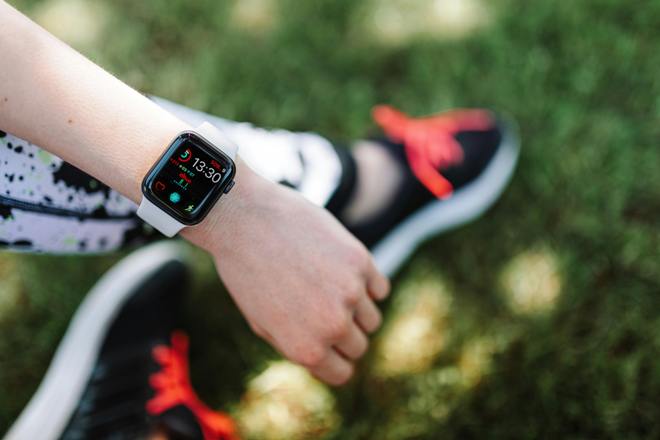
Photo Credit: by www.kaboompics.com, Pexels
Smartwatches, rings, and health trackers have become part of everyday life. Millions of people now wear devices that monitor sleep, heart rate, and activity around the clock, but when it comes to managing medications, that data often goes unused.
At the same time, many patients struggle to understand how their prescriptions are actually affecting their bodies between doctor visits. Side effects can feel vague, and improvements can be hard to measure. On top of that, small changes can go unnoticed.
This article explores how wearable health data can help bridge that gap and give you clearer insights into how your body responds to medications. This can help you stay more consistent with your treatment plan.
What This Means for You
If you’re taking prescription medications—whether for blood pressure, blood sugar, mental health, or another condition—you’re likely already tracking something informally:
* “I feel more tired than usual.”
* “My sleep has been off.”
* “I think this medication is helping… maybe.”
The challenge is that memory is unreliable, and symptoms can be subtle.
Wearables offer something different: continuous, objective data. When used thoughtfully, they can help you:
* Spot patterns you might otherwise miss
* Track changes after starting or adjusting a medication
* Bring more concrete information to your doctor or pharmacist
* Stay more consistent with refills and routines
That said, the goal isn’t to self-diagnose or replace medical care. It’s to understand your own experience better and communicate it more clearly.
If you’re on antidepressant medications or ADHD medications, it can be extra helpful to track your symptoms and keep a pulse (literally!) on how you feel and your quality of life day in and day out.
The Apple Watch and Blood Pressure Medications
Devices like the Apple Watch don’t directly measure blood pressure, but they do track related signals, especially heart rate and heart rate variability (HRV). This is an important and measurable sign of health.
For people taking medications such as beta-blockers (commonly prescribed for hypertension or heart conditions), these metrics can provide valuable context.
What to watch for:
* Resting heart rate trends: A noticeable drop after starting a medication may indicate the drug is having its intended effect.
* HRV changes: Lower HRV can sometimes reflect stress or fatigue, while higher HRV is often associated with better recovery.
* Daytime fatigue patterns: If your heart rate stays consistently low and you feel unusually sluggish, it may be worth noting.
For example, some users in online communities have reported that after starting beta-blockers such as Metoprolol, their resting heart rate dropped significantly, sometimes accompanied by fatigue or reduced exercise tolerance.
One Reddit user wrote, “I never paid attention to my heart rate until this diagnosis so seeing my heart rate be at 64 average when laying down is unnerving to me. I’m so used to seeing it up in the 70-80 range even sitting and laying. It’s freaky but people say that’s a normal heart rate. But for as long as I’ve paid attention it’s not my normal. Obviously I want my heart rate to be normal but seeing the change feels weird and uncanny and wrong.”
Others report feeling more stable without noticeable downsides. The key takeaway here is that your wearable can help you track trends over time, not just isolated readings. All of this data is useful to you and your doctor.
Continuous Glucose Monitors and Smarter Refill Timing
For people managing diabetes, devices like the Dexcom G7 and FreeStyle Libre provide real-time glucose data throughout the day. These tools are often discussed in terms of diet and blood sugar control, but they also have an overlooked benefit: helping you stay ahead of medication gaps.
How they can help:
* Identify patterns when medication is delayed: If glucose levels trend higher before a refill, that’s a signal worth noting.
* Reinforce consistency: Seeing real-time changes can make missed doses more visible.
* Pair with pharmacy reminders: Many pharmacies now offer refill alerts via text or app; combining those with CGM trends creates a more complete picture.
Some patients use their CGM data alongside refill reminders to avoid “last-minute” prescription gaps, which can lead to unstable blood sugar levels and added stress.
This is a good example of digital health integration in practice: your data isn’t just informative. In this case, it becomes actionable.
Sleep Trackers and Mental Health Medications
Wearables like the Oura Ring and WHOOP Strap are particularly useful for tracking sleep quality and recovery.
For individuals taking medications such as SSRIs, anti-anxiety medications, or ADHD treatments like Strattera, sleep changes are often one of the first noticeable effects.
What to track:
* Total sleep time: Are you sleeping more or less than usual?
* Sleep stages: Changes in REM or deep sleep may be worth noting.
* Sleep consistency: Are your bedtimes and wake times shifting?
Some users report that starting a new medication improved sleep stability, while others noticed disruptions, such as reduced REM sleep or more nighttime awakenings.
By reviewing this data over several weeks, you can build a clearer picture of how your body is responding. This can be especially helpful during follow-up appointments, when specific examples are more useful than general impressions.
Creating a Simple “Data Diary”
One of the most effective ways to use wearable data is to combine it with brief notes—a simple “data diary.” This doesn’t need to be complicated. A notes app or basic spreadsheet works well.
What to include:
* Date you started or changed a medication
* Key wearable metrics (sleep, heart rate, glucose trends)
* Short notes on how you felt that day
Over time, this creates a timeline you can reference.
Instead of saying, “I think I felt off last month,” you can point to specific patterns.
Some people also find it helpful to review discussions on platforms like Reddit to see how others describe similar experiences. However, it’s important to treat these as anecdotal rather than definitive.
Where Pharmacy Care Fits In
Pharmacists are increasingly part of this “connected care” model. Many pharmacies now offer:
* Refill reminders and auto-refill programs
* Medication synchronization (aligning refill dates)
* Digital apps that track prescriptions and dosing schedules
Bringing wearable insights into that conversation can make these services even more effective.
For example:
* If your data shows consistent fatigue after a dose, that’s something to discuss
* If refill timing affects your metrics, that’s worth addressing
* If your routine is inconsistent, pharmacy tools can help stabilize it
A More Informed Patient Experience
The rise of wearable technology has created an opportunity, but also a gap. Patients now have access to more health data than ever, yet many aren’t sure how to use it in a meaningful way.
By connecting wearable insights with medication management, you can move from guessing to observing, from reacting to understanding. You don’t need to track everything. Even focusing on one or two metrics, like sleep or resting heart rate, can provide valuable context.
And while wearable data isn’t a substitute for professional care, it can make your conversations with healthcare providers more informed, more specific, and ultimately more productive.
###
Your email address will not be published. Required fields are marked with *.