Photo Credit: by pixabay.com
If you’ve spent any time on TikTok lately, you’ve probably encountered it: somebody suffering from a migraine pulls into a McDonald’s drive-thru, orders fries and a Coke, and declares relief shortly after. The so-called “McMigraine” has gone viral—again—just in time for the post-holiday blues.
However, instead of positioning the combo as a miracle cure, many creators are leaning into it as a small, comforting ritual during an overstimulating season. While fries and soda may feel helpful to some people during a migraine, medical experts are clear: the McMigraine is not a treatment, and it’s not a substitute for proper medical care or prescription medications.
Still, the trend’s persistence raises an interesting question: why does it resonate so deeply, and why do so many people claim that it works?
A Viral Hack with Comforting Ingredients
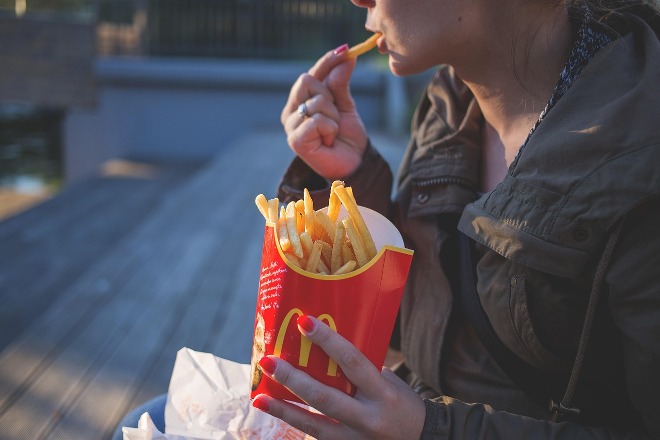
The classic McMigraine formula is simple: salty French fries paired with a caffeinated cola, usually Coke or Diet Coke. Some versions include a burger or chicken nuggets; others stick strictly to fries and soda. The appeal is partly convenience (McDonald’s is everywhere!) but mostly familiarity.
Many migraine sufferers report cravings for salt, caffeine, or simple carbohydrates during an attack. TikTok creators often describe the ritual as instinctual rather than strategic. Maybe the meal sounds comforting or just easy and delicious.
If you’ve never had a migraine, you likely don’t understand the pain. It’s no simple headache; it’s a deeper brain issue.
As the BBC explains, “A migraine - which can last days - is very different to a headache, which tends to be short-lived and can be treated more easily with painkillers like paracetamol. Migraines can cause head pain, neck pain, numbness, blurred vision, and even affect speech and movement.”
And that’s why people will try anything to make it go away. Another factor is that the medications available to prevent and treat migraines don’t work for everyone.
Women’s Health explains, “When a migraine headache hits, most people will do anything to feel better right away. While go-to relief strategies usually involve taking medication, putting a cold pack over your eyes, and praying you fall asleep so you don’t have to feel the pain, there’s a solution floating around social media that sounds way more fun.”
That framing has helped the trend spread. Instead of promising a cure, users emphasize their own personal experience, often adding disclaimers in their captions or comments. Most people know it’s not a scientific cure, but if it helps them, why not try it? That nuance aligns more closely with what experts say: while some components of the McMigraine meal may temporarily ease symptoms for certain people, it’s unreliable and highly individual.
Why the McMigraine Can Feel Helpful
Finding relief from a migraine is of top importance to many people.
Healthline reports, “It’s estimated that 39 million people in the United States experience migraine. … A migraine is more than just a bad headache. It’s a complex neurological condition often accompanied by intense, throbbing pain, sensitivity to light and sound, and nausea, which can be debilitating.”
Medical professionals have weighed in, consistently debunking the idea that McDonald’s food can cure migraine headaches. However, many also acknowledge why the combination might provide short-term relief for some people. And in that case, what harm can it cause?
Possible factors for why a McMigraine might be able to help include:
* Caffeine: A known ingredient in some migraine medications, caffeine can help constrict blood vessels and enhance pain-relief effects. However, it can also trigger headaches or worsen symptoms for others.
* Sodium: Dehydration or electrolyte imbalance can contribute to headaches. Salty foods may help some people feel better temporarily.
* Carbohydrates: Skipping meals or having low blood sugar can trigger migraines for some individuals, while simple carbs can raise blood sugar quickly.
* Comfort and routine: Familiar foods can feel grounding during pain, stress, or sensory overload.
What’s crucial is the context. These effects, when they occur, are supportive at best rather than therapeutic. They don’t address underlying migraine mechanisms, nor do they replace medical treatment, prescriptions, or preventive strategies recommended by healthcare professionals.
Still, fries do have some grounding in reality! According to OSF Healthcare, “Sodium is both a mineral and an electrolyte (when mixed with body fluids), that, along with potassium and magnesium, is known to fight dehydration. These electrolytes are known to prevent or help manage headaches. Salt (sodium chloride) is approximately 40% sodium.”
Many people have to turn to prescription medications like triptans or NSAIDs to stop a migraine attack. On the other hand, some people benefit from preventive options like beta blockers, tricyclic antidepressants, or even Botox injections.
If you experience migraines, working with your doctor can help you find what works for you. In the meantime, trying exercise, extra hydration, magnesium, and neuromodulation can help.
Why Experts Urge Caution
Despite the trend’s light tone, healthcare professionals consistently caution against relying on viral food hacks for headache relief. Key concerns include:
* Inconsistency: What helps one person may worsen symptoms for another.
* Caffeine dependence: Regular use can contribute to rebound headaches.
* Delayed care: Relying on food hacks may postpone appropriate medical treatment.
* Nutritional limitations: Fast food lacks the nutrients needed for overall migraine management.
Migraines are a neurological condition that often requires a multifaceted approach. Treating migraines can include lifestyle management, trigger identification, and sometimes prescription medications when appropriate.
As McGill reports, “The exact cause of this complex neurological condition isn’t fully understood, but researchers believe it involves abnormal brain activity that temporarily affects nerve signals, chemicals, and blood vessels in the brain (though this is a crude oversimplification).”
While a McMigraine meal might feel comforting in the moment, ultimately it doesn’t replace evidence-based care.
Why the Trend Persists Even If It Isn’t a Cure
If McMigraine isn’t reliable, why does it keep coming back? Because it’s relatable.
Unlike wellness trends that demand discipline, supplements, or expensive tools, McMigraine is accessible and low-pressure. Anyone can do it pretty easily and affordably.
There’s no promise of optimization, just quick relief.
So, can McDonald’s cure your migraine? No. Can fries and a Coke occasionally make someone feel a little better during a migraine headache? Possibly. And sometimes, that’s enough!
Because after all, there’s no simple cure for migraines. As the BBC explains, “Skulls dating back to 3,000 BC show ancient Egyptians even had trouble with migraines - but despite that long history, their exact cause is still unknown. It’s thought pain receptors in the blood vessels and nerve tissue around the brain misfire - sending incorrect signals that something is wrong. But we don’t know why some people have an oversensitive nervous system - and why it reacts to some things and not others.”
For anyone experiencing frequent or severe migraines, ongoing headache relief should involve medical guidance, not TikTok trends. Prescription medications, preventive therapies, and individualized care remain the standard of treatment.
But as a moment of comfort during a chaotic holiday season or soon after, the McMigraine’s appeal is understandable. It’s familiar, easy, and—at the very least—offers a sense of control when everything feels uncomfortable. Just don’t mistake viral optimism for medical treatment.
###
Your email address will not be published. Required fields are marked with *.